


18jl | Exploring the Engaging World of Strategy Games
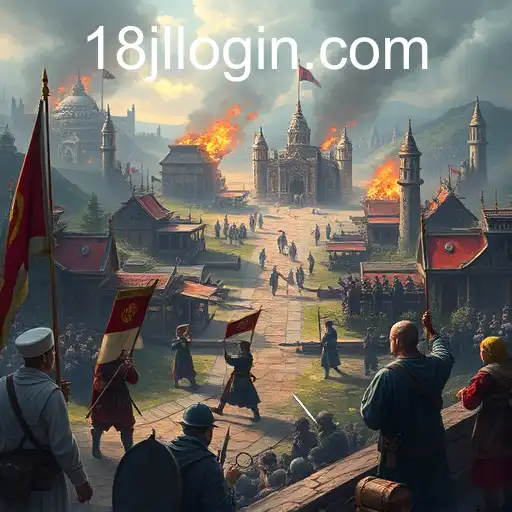
In the vast realm of video games, strategy games stand out as a distinctive and intellectually stimulating category. Identified on some gaming platforms by the keyword '18jl', strategy games have carved a niche for themselves by offering players a complex blend of tactical decision-making and resource management. This article delves into the qualities that make strategy games appealing and their impact on players.
At their core, strategy games are all about planning. Players are tasked with thinking several steps ahead, considering not only their immediate actions but also the long-term consequences. These games commonly demand foresight, patience, and adaptability, captivating players who relish the challenge of outmaneuvering opponents. They often involve balancing resources, positioning forces, and timing actions precisely to achieve victory.
The strategy genre is vast, encompassing various subgenres such as real-time strategy (RTS), turn-based strategy (TBS), and grand strategy, each offering unique gameplay mechanics. RTS games like 'StarCraft' demand real-time decision-making, where players must react quickly to opponents' moves. In contrast, TBS games like 'Civilization' allow for thoughtful planning with broader time gaps between each move. Grand strategy games such as 'Europa Universalis' present large-scale strategic challenges, often set in historical contexts, giving players control over expansive nations.
One of the most captivating aspects of strategy games is their capacity to enhance cognitive abilities. Studies have shown that engaging in these games regularly can improve critical thinking, problem-solving skills, and even memory and concentration. This intellectual engagement makes them popular among players looking for more than mere entertainment.
Furthermore, strategy games often feature rich narratives and detailed world-building, providing an immersive experience that can be both educational and entertaining. Historical strategy games, for example, often inspire players to learn more about the eras they depict, blending recreation with education.
The growing online community around strategy games also adds to their allure. Online multiplayer modes foster competitive yet friendly environments where players can test their strategic acumen against others worldwide. This communal aspect encourages players to share tips, strategies, and stories, further enhancing the genre's appeal.
In conclusion, strategy games offer a unique blend of mental challenge and engaging gameplay, appealing to a wide audience around the globe. Whether navigating complex political landscapes or commanding armies in epic battles, players of strategy games find themselves drawn to the intricate worlds and intellectual rigors these games entail. As technology continues to evolve, the future of strategy games looks promising, with new innovations poised to make them more compelling than ever.
